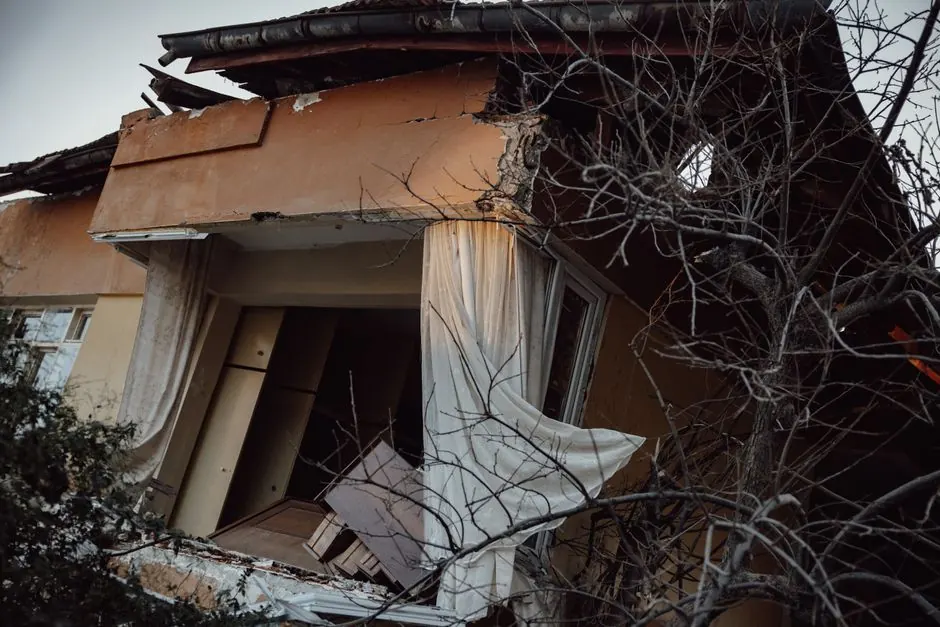
Water damage from a broken pipe can escalate quickly, leading to costly repairs and health hazards. Knowing how to handle water damage from a broken pipe in Rancho Cucamonga is crucial for homeowners. This guide will walk you through immediate actions, restoration processes, and when to seek professional help.
The hours after finding water in your home decide two things: how much damage your house takes, and how much of it your insurance actually pays for. Most homeowners handle the first and fumble the second. This guide covers the California claim process step by step — what's covered, what to document, and the mistakes that get legitimate claims reduced or denied.
What California Homeowners Policies Cover — and Don't
Generally covered (sudden & accidental): burst or ruptured pipes, washing machine and water heater failures, sudden roof leaks from a storm, toilet and tub overflows, and the water damage caused by firefighting. The resulting damage — flooring, drywall, cabinets — is typically covered even when the failed part itself isn't.
Generally excluded: flood — meaning rising water from outside the home (storm runoff, overflowing channels) — requires a separate flood policy through the NFIP or a private carrier. Also excluded: gradual leaks ("long-term seepage"), damage the insurer attributes to deferred maintenance, and usually sewer backup unless you added a sewer/drain endorsement — an add-on worth checking your policy for right now, before you need it.
The First 72 Hours: Claim-Winning Checklist
- Stop the water — main shutoff valve first. Safety before anything: if water reached outlets or the panel, kill the electricity to affected areas.
- Document before touching anything. Video walkthrough narrating what you see, wide shots of every room, close-ups of damage, the failed component itself (the burst pipe section, the split supply hose). You cannot over-document.
- Report the claim — your policy requires prompt notice. Get a claim number and the adjuster's contact.
- Mitigate. California policies obligate you to prevent further damage. That means water extraction and structural drying should start immediately — not after the adjuster's visit. Keep every receipt; reasonable mitigation costs are typically reimbursable.
- Keep the evidence. Don't discard the failed part or torn-out materials until the adjuster has seen or waived them. Cut-out drywall can sit in the garage; the burst pipe section goes in a zip bag.
Working With the Adjuster
The adjuster documents cause and scope. Be factual, precise about dates, and hand over your documentation — organized evidence signals a claim that will hold up. Moisture readings matter here: professional restoration crews log moisture levels room by room during drying, and those logs frequently become the backbone of the claim scope. If the insurer's scope misses damage you can see (or moisture readings prove), you're entitled to dispute it — in California you can request re-inspection, invoke appraisal if your policy includes it, or escalate to the Department of Insurance.
The Mistakes That Sink Claims
- Waiting to report "until we see how bad it is" — delay is the insurer's best friend.
- Cleaning up before documenting — no photos, no proof of scope.
- Calling it "flood" when it was a burst pipe — wrong word, wrong coverage bucket. Describe the mechanism, not the scenery.
- Throwing away the failed part — the #1 evidence error we see.
- Skipping professional drying to save money — then fighting a mold claim later that the insurer ties to inadequate mitigation.
SoCal-Specific Wrinkles
Two things hit Southern California claims that generic advice misses. First, wildfire-adjacent water losses: homes near recent burn scars (San Gabriel and San Bernardino foothills — Rancho Cucamonga, Upland, Claremont) face debris-laden runoff during storms, and whether that's "flood" (excluded) or something else can be contested — document the water's path meticulously. Second, older housing stock: pre-1960s homes in Ontario, Pomona and Claremont carry original galvanized and cast iron plumbing, and insurers scrutinize pipe-failure claims in old systems for "wear and tear" angles. A restoration report that documents a sudden failure point specifically counters that.
Frequently Asked Questions
What should I do immediately for water damage in Rancho Cucamonga?
Shut off the water supply, turn off electricity, and document the damage. Contact a professional for assistance.
How can I prevent further damage from a broken pipe in Rancho Cucamonga?
Shutting off the water supply and removing valuables from the affected area are crucial. Additionally, consider hiring professionals for immediate extraction and drying.
Who can help with water damage from a broken pipe in Rancho Cucamonga?
Socal Water Damage Pros specializes in handling water damage restoration and can provide the necessary services to mitigate further damage.
What are the signs of mold growth after water damage?
Look for discoloration, a musty smell, and visible mold on surfaces. Mold can develop quickly, so it's important to act fast.
How long does the water damage restoration process take?
The duration depends on the extent of the damage. Minor repairs can take a few days, while extensive damage may require weeks.
Get Help with Water Damage in Rancho Cucamonga
If you're facing water damage from a broken pipe, don't hesitate to reach out for help. Call Socal Water Damage Pros at (833) 844-0749 for immediate assistance and professional restoration services.